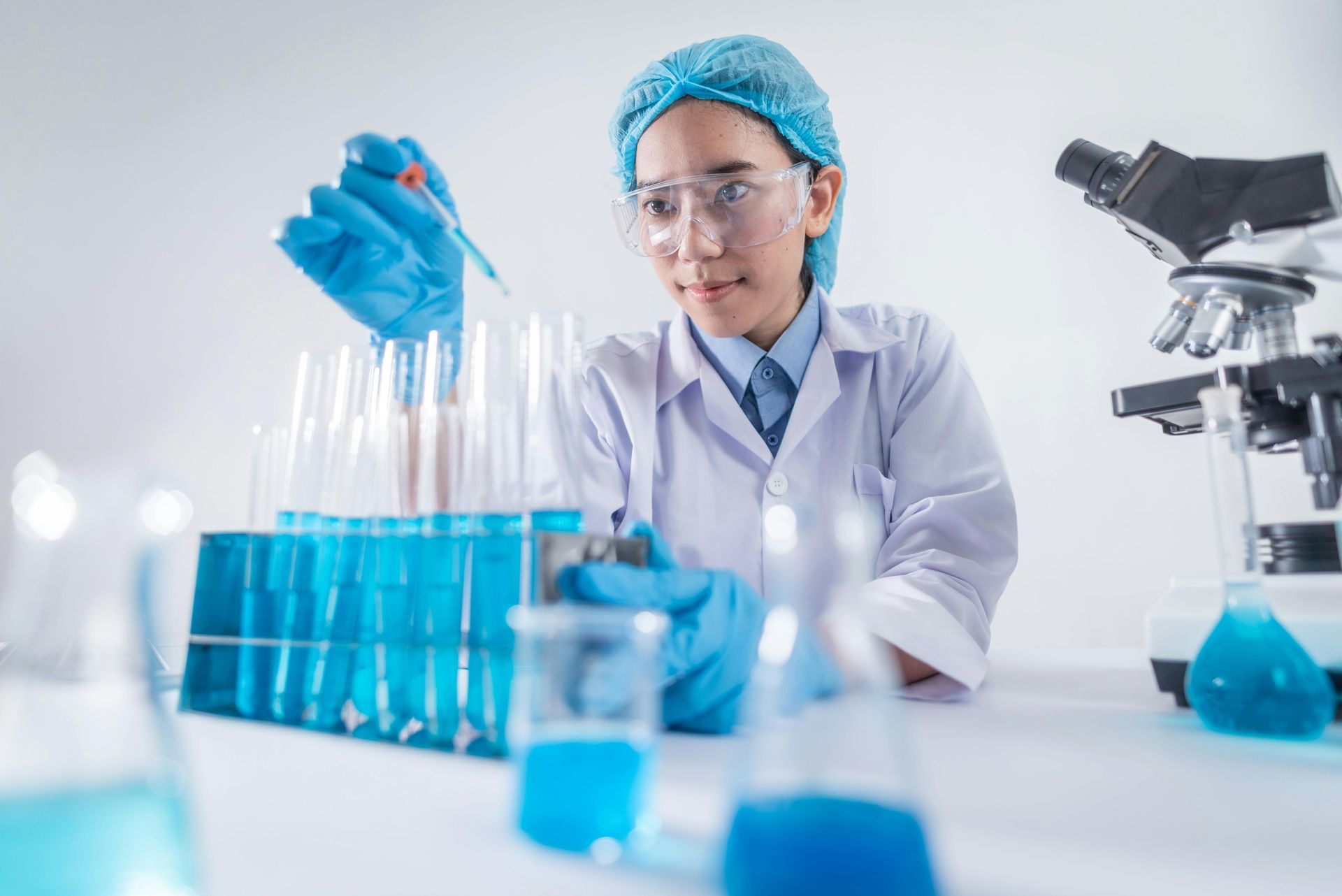


El consumo de alcohol disminuye la neurogénesis, el proceso de generación de nuevas neuronas en el cerebro.
Neurogenesis, the process of generating new neurons in the brain, is essential for maintaining cognitive function, enhancing memory, and supporting overall mental health.
Por: Sebastián Mansfield
January 22nd, 2025
From - U.S. Gov Connect
7 maneras principales en que el consumo de alcohol disminuye la neurogénesis
Neurogenesis, the process of generating new neurons in the brain, is essential for maintaining cognitive function, enhancing memory, and supporting overall mental health. However, alcohol consumption has been shown to negatively impact this crucial process. Here are the top 7 ways that alcohol intake can hinder neurogenesis.
1. Disruption of Neurotrophic Factors
Alcohol consumption can diminish the levels of brain-derived neurotrophic factor (BDNF), a protein vital for the survival and growth of neurons. BDNF is crucial for neurogenesis; when it decreases due to alcohol consumption, the brain's ability to produce new neurons is significantly impaired.
2. Increased Oxidative Stress
El alcohol provoca un aumento del estrés oxidativo, que puede dañar las células neuronales. El exceso de radicales libres generado por el consumo de alcohol puede obstaculizar los mecanismos de reparación del cerebro, dificultando la formación y supervivencia de nuevas neuronas.
3. Impaired Stem Cell Function
Alcohol disrupts the normal functioning of neural stem cells located in the hippocampus, an area of the brain essential for learning and memory. These stem cells need a conducive environment to multiply and differentiate into neurons; alcohol impedes this process, resulting in reduced neurogenesis.
4. Alteración de la estructura cerebral
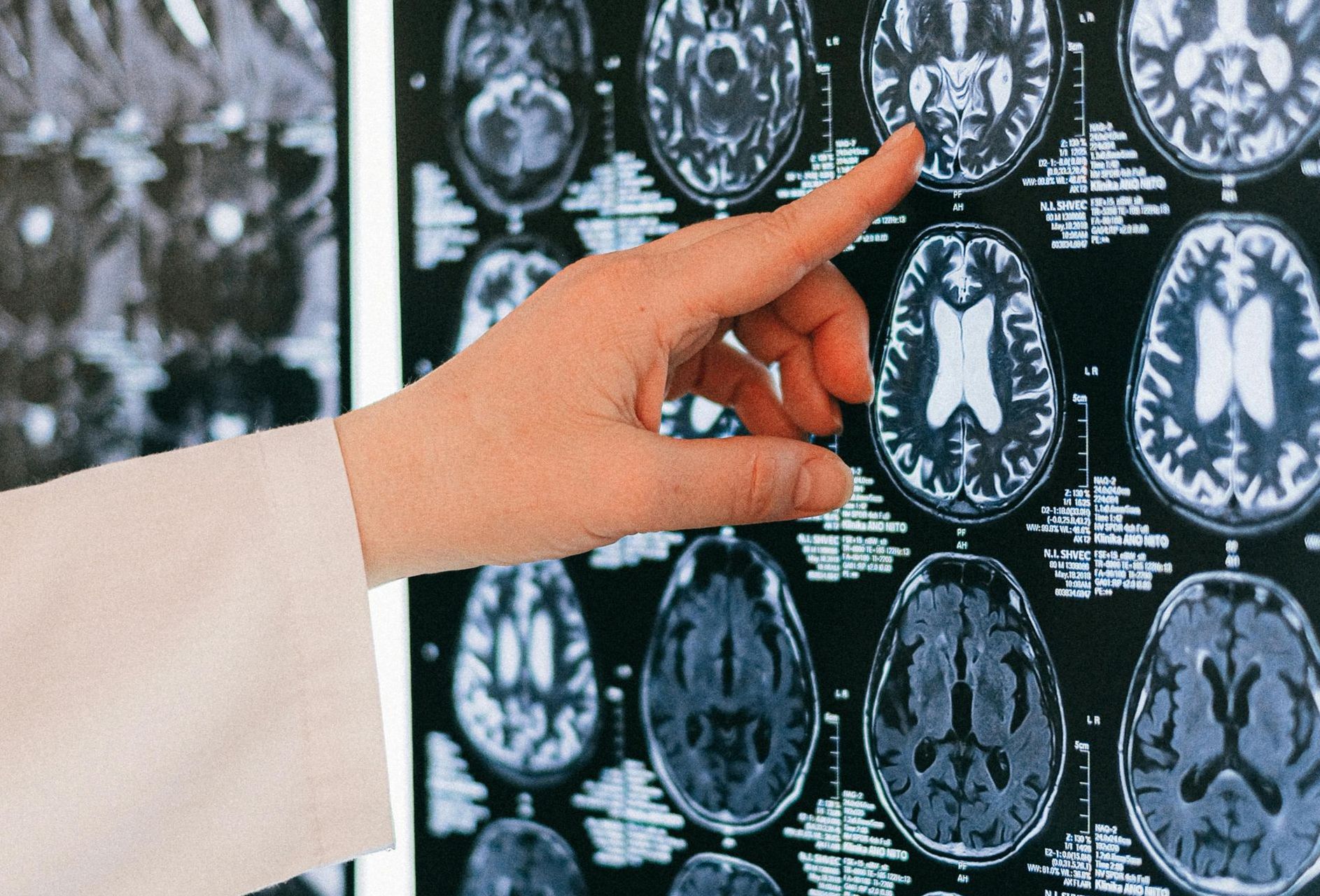
Chronic alcohol consumption can lead to structural changes in the brain, such as hippocampal atrophy. This shrinkage of the hippocampus is directly correlated with a reduction in neurogenesis, as the environment required for new neuron growth becomes compromised.
5. Inflamación en el cerebro
El consumo de alcohol puede provocar neuroinflamación, dañando las células cerebrales e inhibiendo el crecimiento de nuevas neuronas. Las citocinas inflamatorias, que aumentan con el consumo de alcohol, pueden deprimir la neurogénesis y dificultar las funciones cognitivas.
6. Hormonal Imbalance
Alcohol can disrupt the hypothalamic-pituitary-adrenal (HPA) axis, resulting in hormonal imbalances that affect neurogenesis. Elevated levels of cortisol, the stress hormone, can hinder the brain's capacity for generating new neurons and impair mental resilience.
7. Efectos en el comportamiento y el estilo de vida
Alcohol often leads to poor lifestyle choices, such as inadequate nutrition and lack of exercise, both of which are vital for supporting neurogenesis. A balanced diet rich in omega-3 fatty acids and regular physical activity are essential for promoting brain health, and alcohol consumption can detract from these positive behaviors.
Comprender estos mecanismos es vital para reconocer la importancia de la moderación en el consumo de alcohol. Priorizar la salud cerebral puede fomentar un entorno propicio para la neurogénesis, mejorando la función cognitiva y el bienestar general.