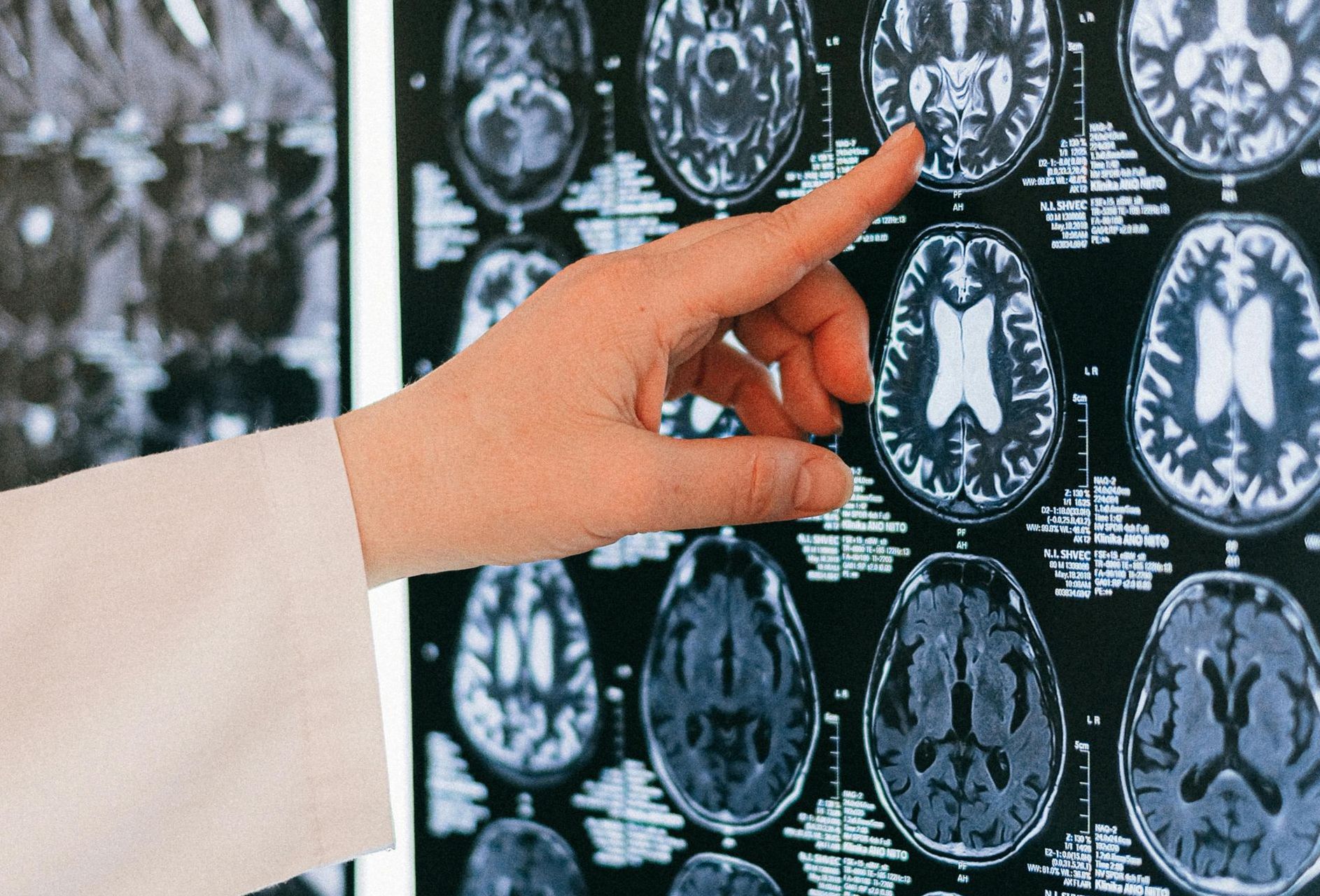


El proceso de generación de nuevas neuronas en el cerebro después de un accidente cerebrovascular.
Recovering from a stroke involves not only medical treatment but also brain repair and regeneration. One fascinating aspect of brain recovery is neurogenesis—the process of generating new neurons.
El proceso de generación de nuevas neuronas en el cerebro después de un accidente cerebrovascular
Sufrir un ictus puede ser un evento transformador, pero la capacidad del cerebro para adaptarse y recuperarse mediante la neurogénesis (el proceso de generación de nuevas neuronas) ofrece esperanza para la rehabilitación. Comprender cómo funciona este proceso puede ayudar tanto a los supervivientes de un ictus como a sus cuidadores y profesionales sanitarios a comprender el potencial de recuperación. Aquí, analizamos los pasos clave para la generación de nuevas neuronas tras un ictus.
1. Respuesta aguda a la lesión
After a stroke, the brain undergoes an immediate response to the injury. This includes inflammation and the release of signaling molecules that initiate the healing process. These responses help to stabilize the damaged area and set the stage for neurogenesis, as the brain begins to mobilize resources to repair itself.
2. Activación de células madre neuronales
Following a stroke, neural stem cells (NSCs), which reside primarily in the subventricular zone of the brain, become activated. These cells have the unique ability to differentiate into new neurons and glial cells. The injury creates a conducive environment for NSCs to proliferate and migrate towards the damaged area, ultimately contributing to neuronal regeneration.
3. Neuroinflammation
Neuroinflammation plays a dual role after a stroke. Initially, it can be detrimental; however, the inflammatory response also serves to clear debris and stimulate repair mechanisms. In this context, certain cytokines released during inflammation can promote the proliferation of neural stem cells, thus paving the way for neurogenesis.
4. Enriquecimiento ambiental
The condition of the brain's environment after a stroke influences neurogenesis significantly. Factors like social interaction, physical exercise, and cognitive challenges can enhance the neurogenic process. Engaging in rehabilitation therapies that include physical activity and stimulating tasks can promote the survival and integration of newly generated neurons.
5. Integración sináptica
Once new neurons are generated, they must establish connections, or synapses, with existing neurons to be integrated into the brain's functional circuitry. This synaptic integration is crucial for the recovery of lost functions. The new neurons form connections with nearby neuronal networks through the release of neurotransmitters, thus facilitating communication between synapses.
6. Role of Growth Factors
Several growth factors, including brain-derived neurotrophic factor (BDNF) and vascular endothelial growth factor (VEGF), play essential roles in supporting neurogenesis after a stroke. These proteins enhance the survival, differentiation, and integration of new neurons, creating an optimal environment for recovery. Their presence encourages the regeneration process and helps maintain healthy neural networks.
7. Recuperación y plasticidad a largo plazo
The process of generating new neurons does not end shortly after the stroke; it can continue over weeks, months, and even years as the brain adapts through neuroplasticity—its ability to reorganize and form new neural connections. This prolonged process underlines the importance of ongoing rehabilitation and support in helping stroke survivors regain functions and improve their quality of life.