深部靜脈血栓是如何導致中風的?
When it comes to our health, being aware of potential risks and connections between different conditions is crucial. One such connection that everyone should be aware of is the relationship between deep vein thrombosis (DVT) and stroke. Understanding this connection can help us identify and address potential health concerns before they become serious.

Deep vein thrombosis is a condition where blood clots form in the deep veins of the legs. These blood clots can be dangerous because they have the potential to break off and travel through the bloodstream, leading to a pulmonary embolism or a stroke. It is estimated that around 10% of strokes are caused by blood clots originating from deep vein thrombosis.
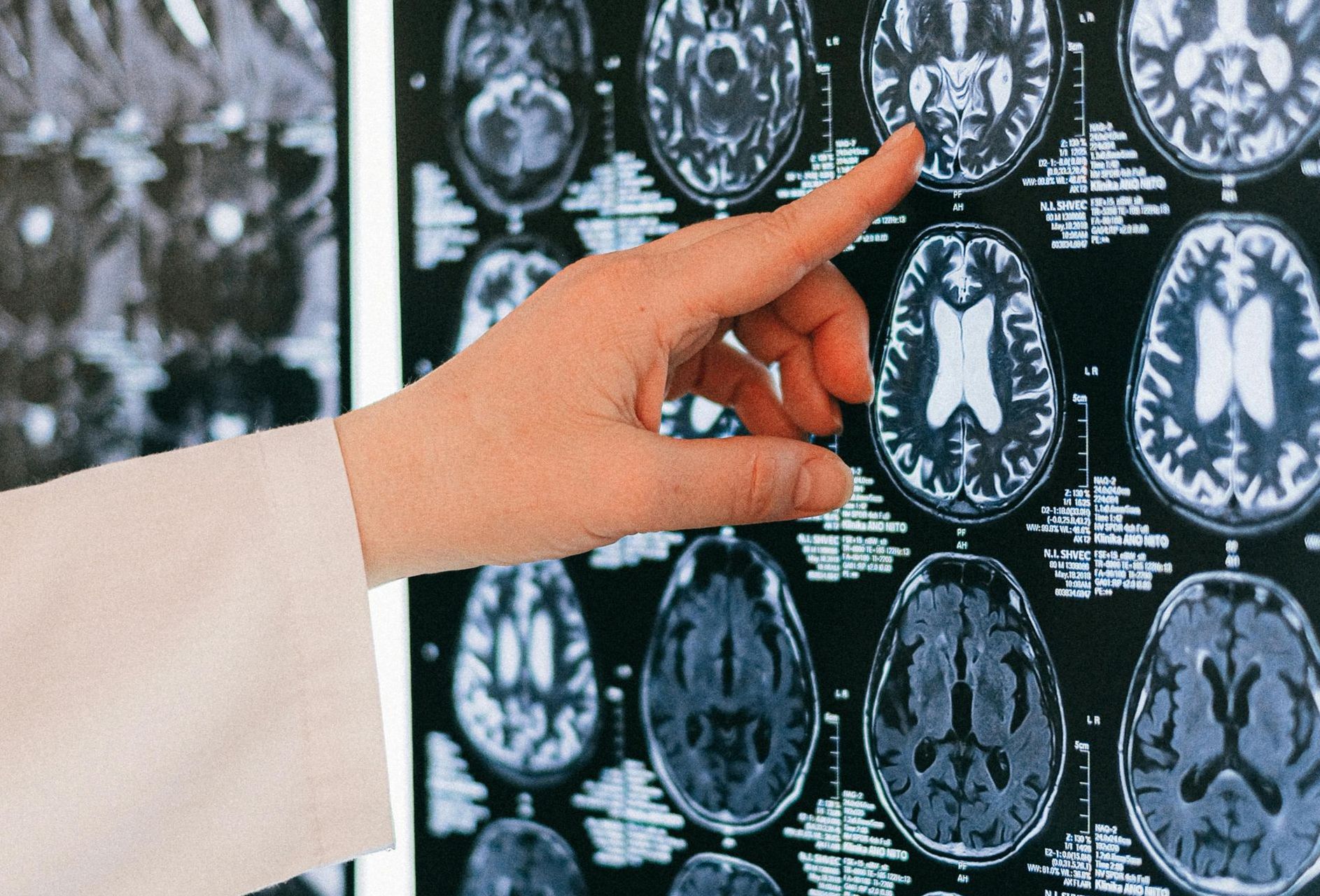
The link between DVT and stroke lies in the circulatory system. When a blood clot forms in the deep veins of the leg, it can travel to the brain through the bloodstream, causing a blockage in the blood vessels. This blockage can lead to a lack of blood flow and oxygen to the brain, resulting in a stroke.