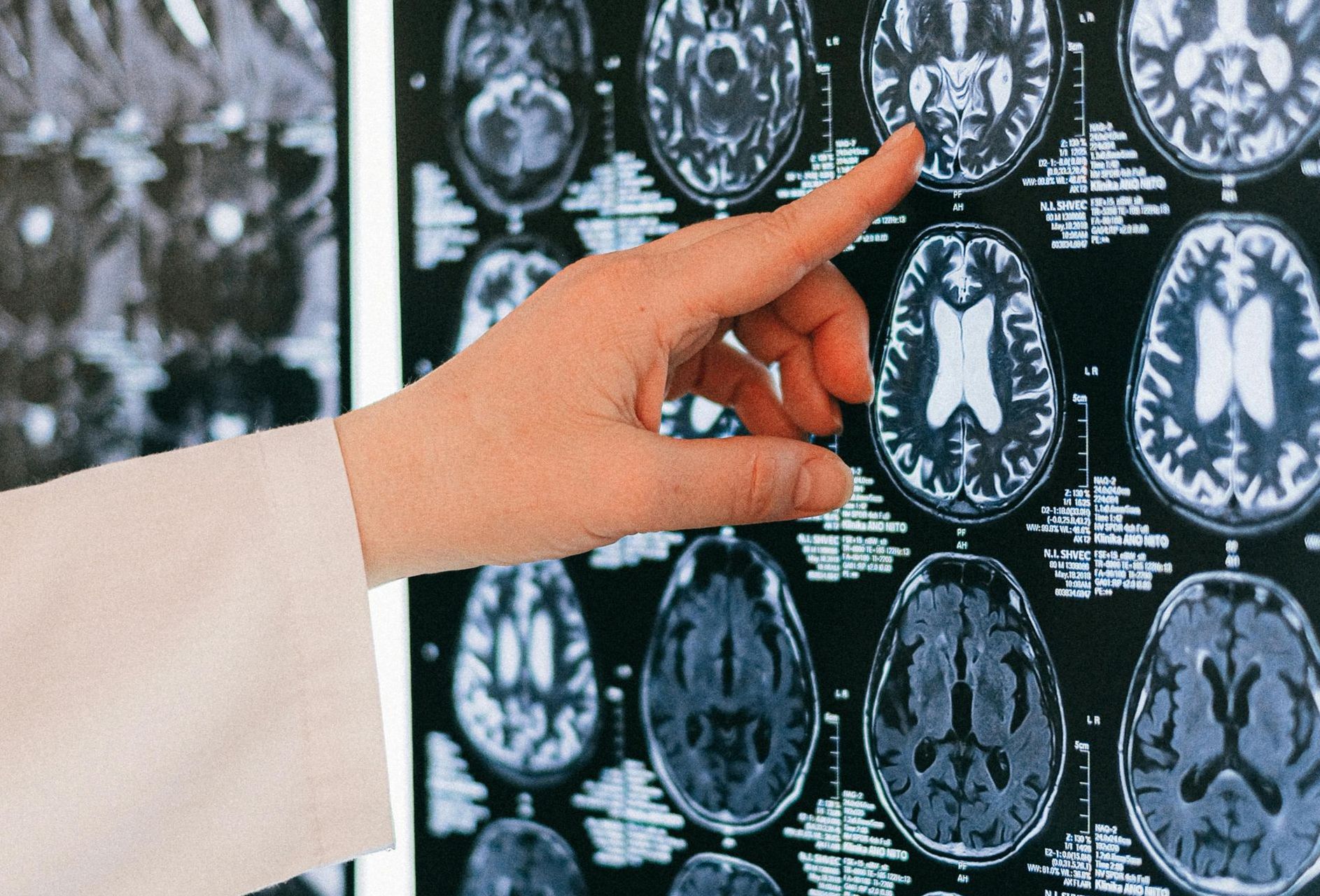
Factors that encourage neurogenesis include activities.
學習新技能或參與認知刺激活動可以促進新神經元的形成並加強現有的神經連結。
Engaging in cognitively stimulating activities is not just about enhancing your knowledge—it's a powerful way to promote neurogenesis, the formation of new neurons, and strengthen existing neural connections in the brain. Here’s a look at seven ways that learning and mental engagement can contribute to a healthier, more dynamic brain.
1. 參與遊戲
Play isn’t just for children; it’s a fundamental way for adults to learn new skills and form new neural pathways. Board games, video games, or even outdoor sports require strategizing, quick thinking, and teamwork, which stimulate the brain and encourage cognitive flexibility. The engaging nature of play can lead to increased dopamine release, promoting neuroplasticity.
2. Learning a New Language
學習新語言對大腦來說是一項絕佳的鍛鍊。它能提升認知彈性,增強問題解決能力,並促進記憶力。研究表明,雙語者的大腦灰質密度更高,這與神經元生成增加和整體大腦健康改善密切相關。
3. Playing a Musical Instrument
Music education is a profound way to boost cognitive abilities. Learning to play an instrument has been shown to enhance areas of the brain involved in emotion, reasoning, and auditory processing. The multi-faceted nature of music—encompassing rhythm, pitch, and harmony—stimulates neural connections and encourages the brain’s plasticity.
4. 培養一項新的嗜好
Whether it’s painting, woodworking, or gardening, picking up a new hobby can dramatically benefit brain health. Hobbies are often complex tasks that require planning, patience, and creative problem-solving. Engaging in these activities provides not only a sense of accomplishment but also stimulates the growth of new neurons through continual practice and learning.
5. Cognitive Training Games
專門設計的認知訓練遊戲可以顯著提升思維敏銳度。這些活動能夠挑戰記憶力、注意力和問題解決能力,讓人們以專注的方式鍛鍊大腦。許多研究表明,持續進行認知謎題練習可以顯著改善大腦功能——促進新的神經連接,甚至可能促進新的神經元生長。
6. Social Interactions
Engaging in meaningful conversations and building social networks can stimulate neurogenesis. Social interactions require communication, understanding social cues, and emotional intelligence, all of which activate multiple brain regions. Regularly participating in social activities can have a protective effect against cognitive decline and help maintain cognitive function as we age.
7. 體育鍛煉
While learning new skills is crucial, don’t forget the importance of physical activity. Exercise is known to promote the release of brain-derived neurotrophic factor (BDNF), a protein that supports the survival of existing neurons and encourages the growth of new ones. Activities like dancing, team sports, or even brisk walking can enhance brain function and contribute to a healthier mind through neurogenesis.
Incorporating these activities into your daily routine can boost your brain's vitality and longevity. So whether you're picking up a guitar, joining a book club, or trying your hand at a new sport, remember that every new skill learned or cognitive challenge faced is a step towards a healthier brain!