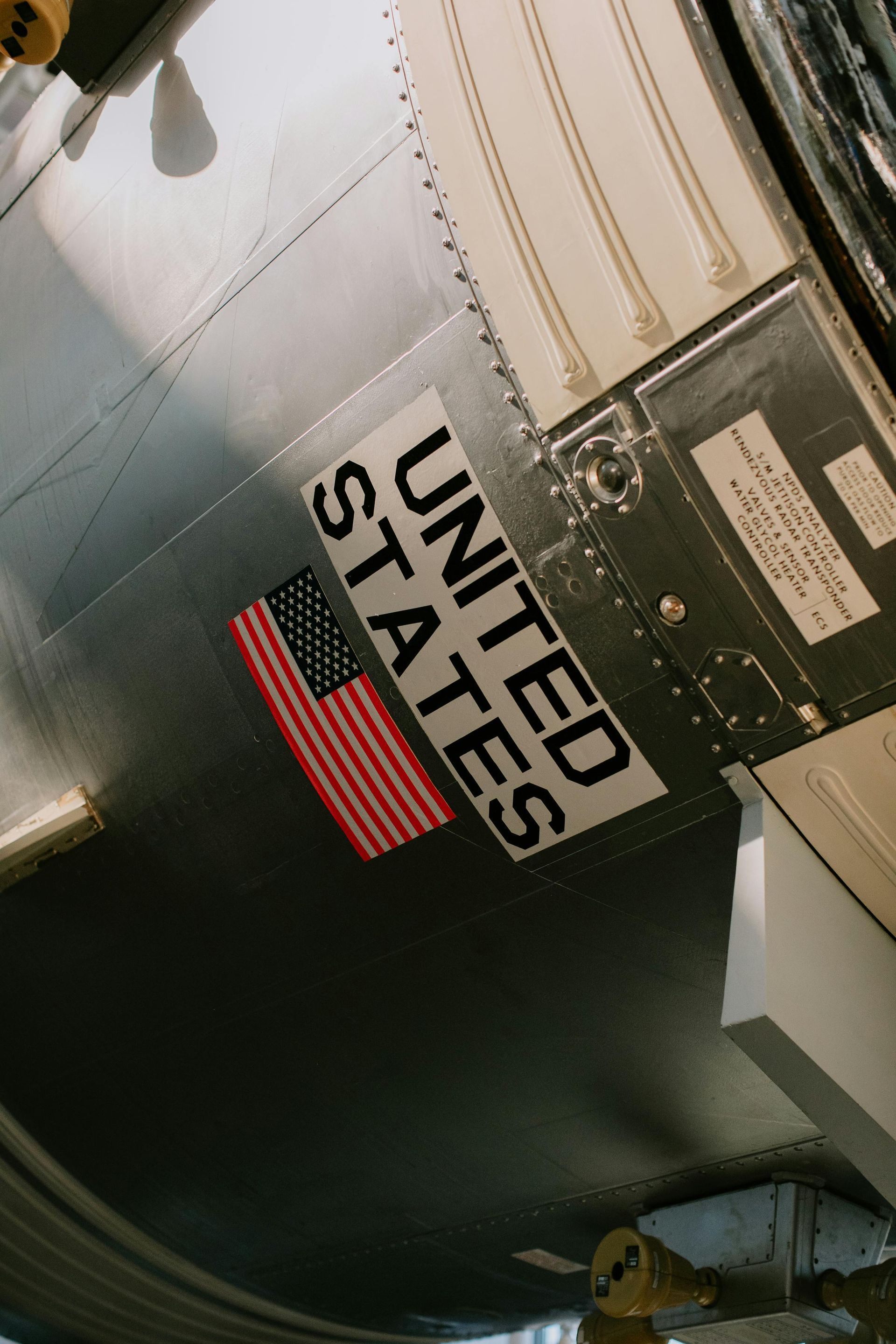
Greenland in American Policy: 'The Little-Known 19th Century Acquisition Plan.
"A Cold Vision: Exploring America's Initial Greenland Considerations in the 19th Century"
Greenland in American Policy: The Little-Known 19th Century Acquisition Plan
在美國歷史上,領土擴張一直是其顯著特徵,尤其是在19世紀「昭昭天命」時期。雖然路易斯安那購地案和吞併德克薩斯等事件備受關注,但美國對格陵蘭島的興趣卻鮮為人知。儘管格陵蘭島地處偏遠,環境惡劣,但它一度成為美國一項引人入勝的地緣政治遊戲的中心。
格陵蘭島的戰略吸引力
儘管格陵蘭島位於冰天雪地、人口稀少,但它對19世紀美國決策者的吸引力並非僅僅在於地理因素。美國將格陵蘭島納入版圖,是出於戰略和經濟考量。格陵蘭島被視為增強美國在北大西洋影響力、拓展貿易路線、鞏固海上邊界以及阻止歐洲列強(尤其是大英帝國)控制戰略水道和潛在海軍基地的重要地點。
探索各種可能性
Interest in Greenland had been piqued as the United States expanded its territorial ambitions after the acquisition of Alaska from Russia in 1867. The notion of purchasing Greenland was occasionally floated as a complementary step to secure the Northern Hemisphere’s Arctic regions. However, the negotiations between the United States and Denmark, Greenland’s colonial ruler, never fully materialized into a concrete offer during the late 19th century. Political figures and diplomats like William H. Seward, the U.S. Secretary of State at the time, had fostered a vision of American expansion across polar territories. The practical negotiations would have involved delicate diplomatic tenets given Denmark’s sovereignty and the complex landscape of European politics.
障礙與挑戰
收購的最大障礙之一是丹麥和格陵蘭當局的猶豫不決。格陵蘭不僅是重要的地緣政治資產,更是豐富的因紐特原住民文化的家園,而這種文化在丹麥殖民統治下得以延續。此外,當時丹麥既沒有意願也沒有必要就脫離格陵蘭進行談判。對丹麥而言,格陵蘭不僅是一塊遙遠的領土,更是其殖民歷史不可分割的一部分。經濟方面,收購也面臨許多後勤挑戰。格陵蘭惡劣的氣候條件和基礎設施的匱乏,使得任何短期經濟回報充其量只是投機之舉。再加上國會支持力道不足,使得收購方案始終無法突破初步階段。
The Legacy of the Concept
儘管19世紀時美國覬覦格陵蘭島的想法仍停留在推測階段,但它奠定了美國利益的基礎,並一直延續到當時的政策考量。在20世紀和21世紀,美國對格陵蘭島的興趣時有發生,這反映了更廣泛的戰略目標,例如軍事部署以及與北極地區相關的氣候影響。
Today, Greenland’s potential natural resources, coupled with its growing geopolitical significance due to climate change and Arctic navigational routes, continue to capture U.S. strategic interest. The historical curiosity of the 19th-century acquisition idea remains a testament to how national geopolitical strategies evolve over time, underscoring the continual delicate interplay between geographic ambitions and diplomatic realities.
In understanding these historical ventures, we gain insight into the persistent themes of American foreign policy: the quest for strategic advantage and the often-misunderstood richness of regions like Greenland that quietly mold the contours of global relations.