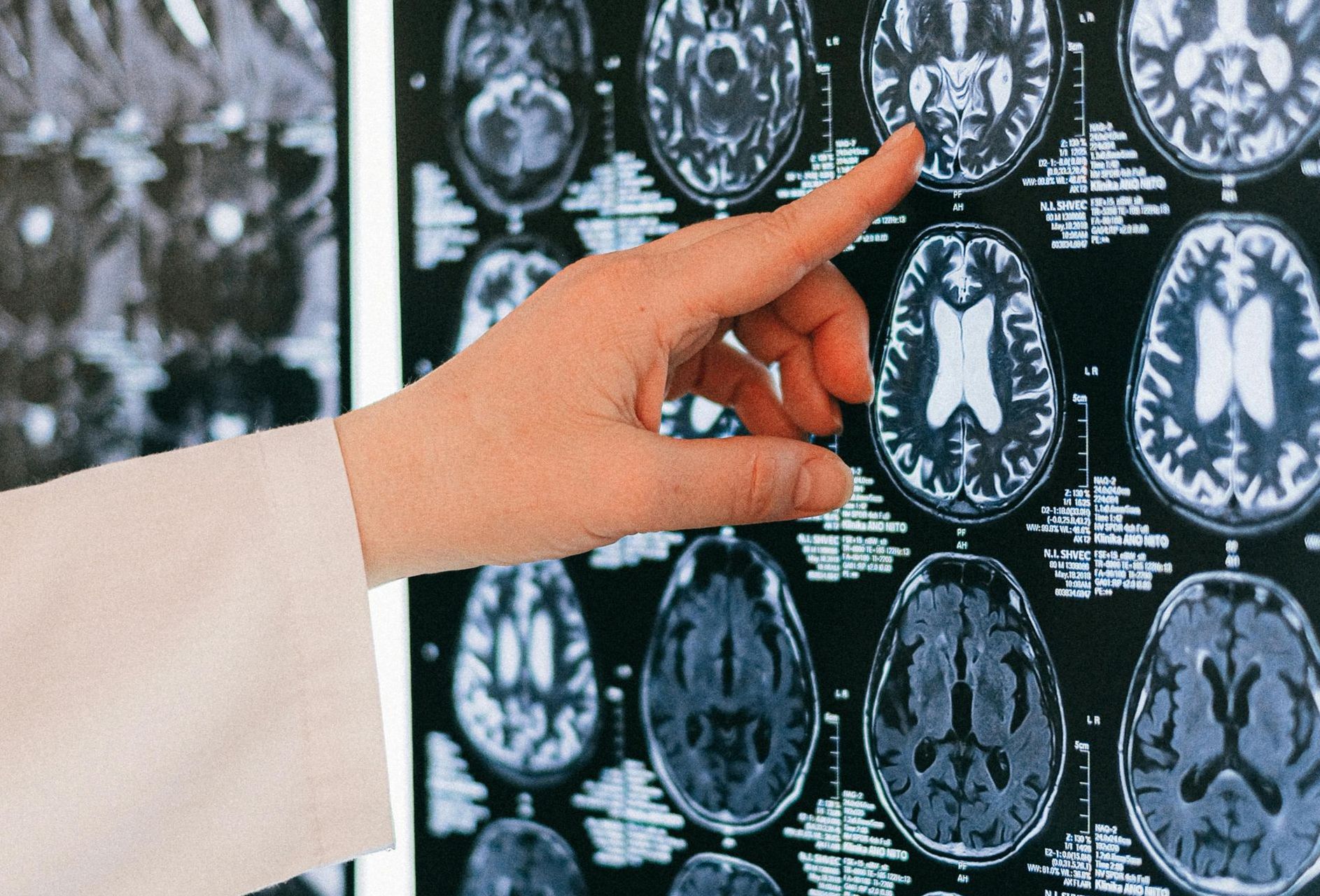
神經發生,即大腦中新神經元的生成過程,與細胞週期密切相關。這種奇妙的相互作用影響著神經系統的發育、修復以及整體大腦功能。以下是關於神經發生和細胞週期的七個要點。
1. 理解神經發生
神經發生主要發生在海馬體,這是大腦中對學習和記憶至關重要的區域。這個過程使神經幹細胞分化成神經元,這些神經元可以整合到現有的神經迴路中,從而有可能增強認知功能。了解神經發生的機制有助於我們深入了解神經退化性疾病和精神健康障礙的治療方法。
2. The Role of the Cell Cycle
細胞週期由細胞複製和分裂所經歷的多個階段組成。關鍵階段包括G1期(生長)、S期(DNA合成)、G2期(有絲分裂準備期)及M期(有絲分裂期)。在神經發生過程中,神經幹細胞必須退出傳統的細胞週期才能分化成神經元,它們通常會進入一段靜止期,然後再重新進入細胞週期,這對於正常的發育至關重要。
3. 壓力對神經發生的影響
Chronic stress can adversely affect neurogenesis by altering the cell cycle dynamics. Stress hormones, such as cortisol, can inhibit the proliferation of neural progenitor cells and promote cell death. This highlights the importance of reducing stress for maintaining healthy brain function and supporting neurogenesis, particularly when discussing mental health.
4. Neurotrophic Factors and Cell Cycle Regulation
神經營養因子,例如腦源性神經營養因子(BDNF),透過影響細胞週期在促進神經發生中發揮重要作用。這些因子不僅促進神經幹細胞的增生和存活,也影響其分化為成熟神經元。了解這些因子如何調控細胞週期,可以為增強神經發生提供潛在的治療途徑。
5. Age and Neurogenesis
年齡對神經發生和細胞週期行為有顯著影響。隨著年齡增長,神經發生速率下降,細胞週期的調控效率也會降低。這種衰退可能導致與年齡相關的認知障礙和神經退化性疾病。研究人員正在探索刺激老年人神經發生的方法,以抵消這些影響。
6. 表觀遺傳因素的影響
表觀遺傳學是指在不改變DNA序列的情況下改變基因表達,它在神經發生和細胞週期中發揮著至關重要的作用。飲食、環境和生活方式等外在因素會影響表觀遺傳修飾,進而影響神經幹細胞的增殖、分化和整合到神經網路中的方式,最終影響大腦的整體健康。
7. 潛在的治療應用
Understanding the interplay between neurogenesis and the cell cycle opens new therapeutic possibilities. For example, promoting neurogenesis could offer strategies for treating conditions such as depression, anxiety disorders, and neurodegenerative diseases like Alzheimer’s. Researchers are exploring drugs, lifestyle changes, and environmental factors that could stimulate this critical process and would lead to better brain health outcomes.
In summary, the relationship between neurogenesis and the cell cycle is crucial for brain development and function. By continuing to study this interaction, researchers may unlock new therapeutic strategies to enhance cognitive health and treat neurological disorders, paving the way for a healthier mind.