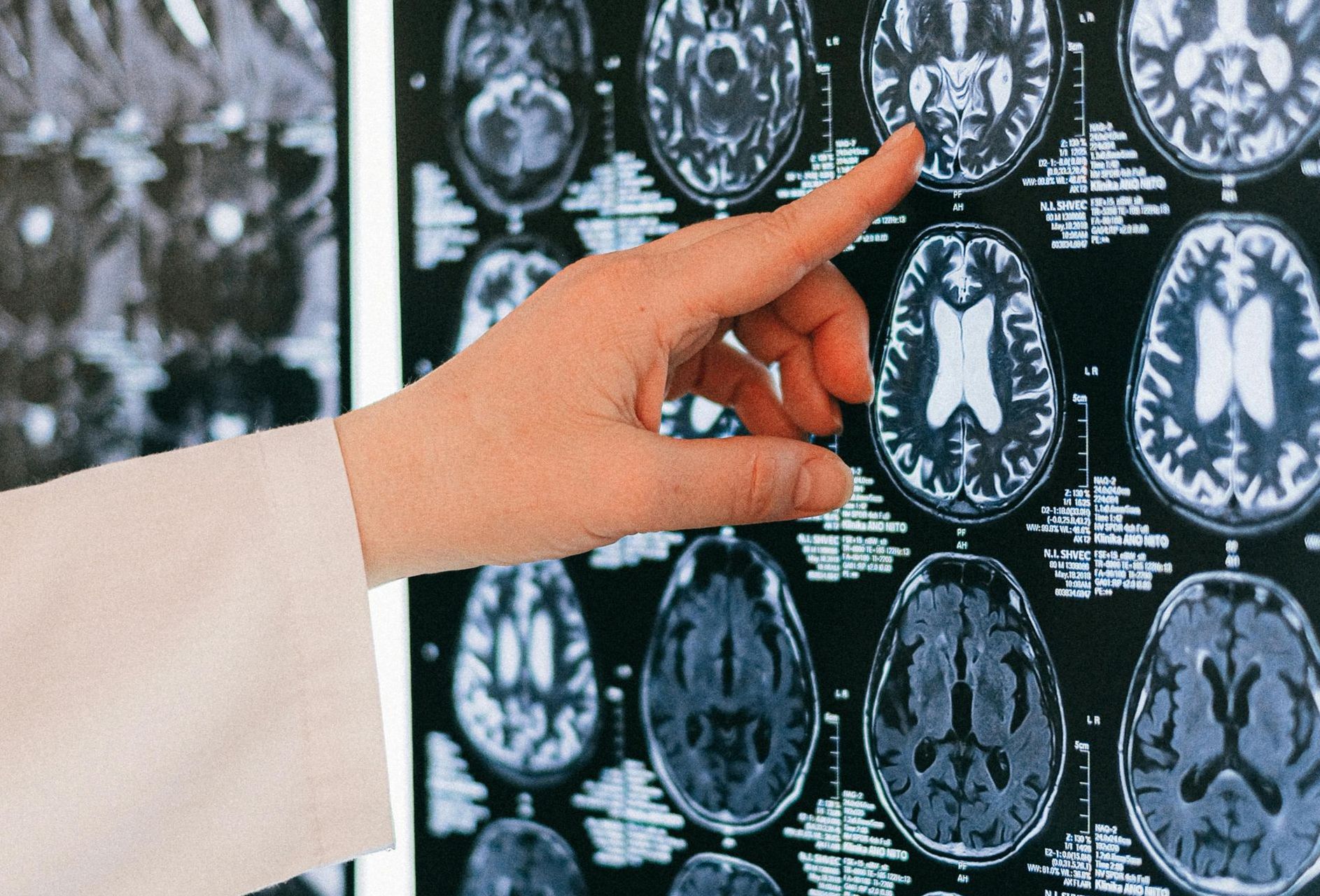
神經可塑性,又稱腦可塑性或神經可塑性。
Neuroplasticity, often referred to as brain plasticity or neural plasticity, is one of the most exciting areas of neuroscience research today.
神經可塑性,也常被稱為大腦可塑性或神經可塑性,是當今神經科學研究中最令人興奮的領域之一。這個概念描述了大腦適應和改變自身以應對經驗、學習和損傷的能力。以下是關於神經可塑性的七個重要事實。
1. What is Neuroplasticity?
神經可塑性是指大腦在人的一生中透過形成新的神經連結來重組自身的能力。這種靈活性使大腦能夠根據新的資訊、感官體驗甚至損傷進行調整。神經可塑性既可以發生在單一神經元層面,也可以涉及更大的腦網路。
2. 神經可塑性的類型
There are two main types of neuroplasticity: functional plasticity and structural plasticity. Functional plasticity allows areas of the brain to take over functions from damaged regions. Structural plasticity involves the brain’s ability to physically change in response to learning or environmental changes, leading to the growth of new synapses and alterations in the brain's structure.
3. Critical Periods for Learning
Research shows that there are critical periods in development when the brain is particularly receptive to learning new skills and information. For example, young children exhibit high levels of neuroplasticity, making it easier for them to acquire language and motor skills. While neuroplasticity continues throughout life, critical periods highlight how our ability to learn can diminish with age.
4. 損傷恢復中的神經可塑性
One of the most remarkable aspects of neuroplasticity is its role in recovery from brain injuries and strokes. The brain can often compensate for lost functions by rewiring itself and forming new connections. Rehabilitation therapies designed to harness neuroplasticity, such as physiotherapy and cognitive exercises, can significantly enhance recovery.
5. Learning and Memory Enhancement
神經可塑性對學習和記憶至關重要。當我們學習新技能或獲取資訊時,大腦會形成新的突觸連結並強化現有的突觸連結。這個過程被稱為突觸可塑性,它對於知識的保留和認知功能的提升至關重要,也表明我們的大腦能夠隨著年齡的增長而不斷發展和適應。
6. 環境和生活方式的影響
環境因素和生活方式選擇會對神經可塑性產生顯著影響。定期進行體能訓練、挑戰智力活動(例如解謎或學習新語言)以及保持社交聯繫都能促進大腦的健康可塑性。相反,慢性壓力和久坐的生活方式可能會阻礙大腦的適應和發展能力。
7. 透過正念和冥想增強神經可塑性
Studies have shown that mindfulness practices, such as meditation, can boost neuroplasticity. Meditation encourages focus, emotional regulation, and self-awareness, which can lead to structural changes in the brain, particularly in areas associated with memory, learning, and self-regulation. Incorporating mindfulness into daily routines can be a powerful tool for enhancing cognitive flexibility and overall mental health.